Conditions

Painful Periods

Dr Brooke O’Brien works extensively in helping to treat what can be a very debilitating condition.  There are many treatment options available depending on your cause and diagnosis.

Pelvic Pain

Overview

Painful periods, or medically known as dysmenorrhoea, is a very common symptom that affects at least 80% of women at some stage of their life.

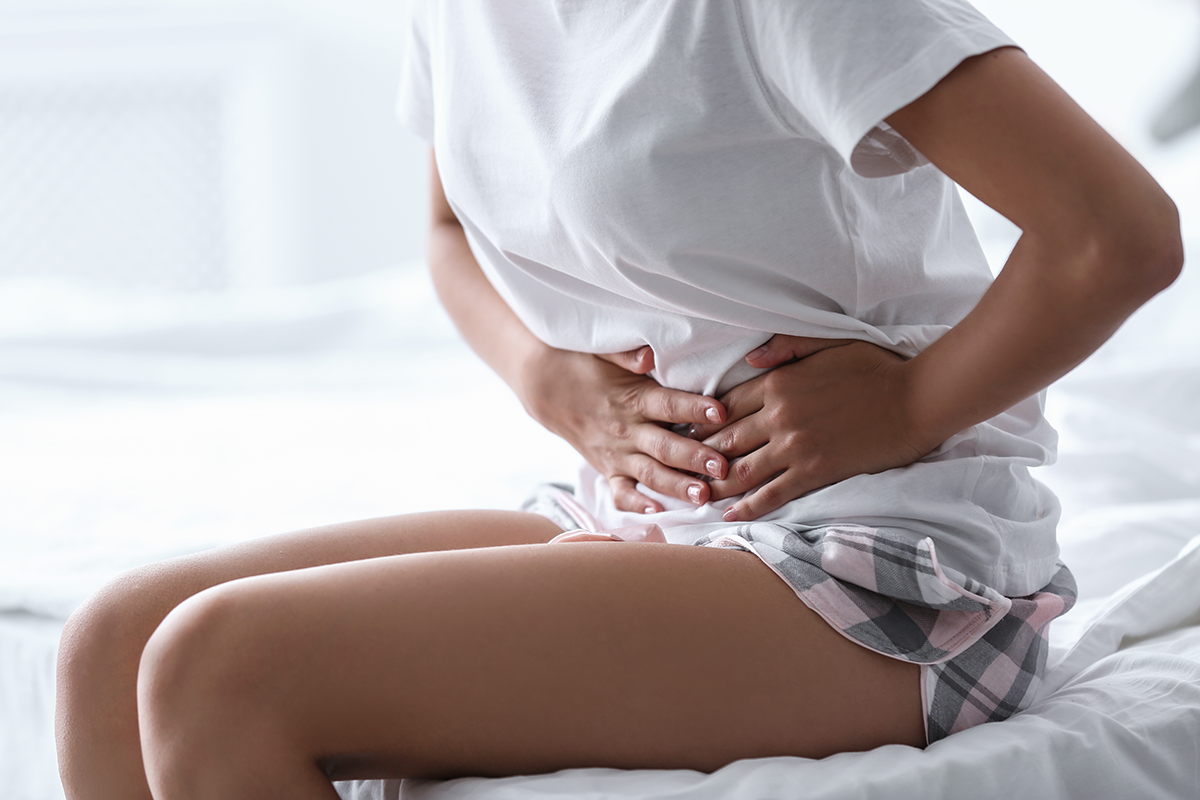
Dysmenorrhoea is defined as a painful, cramping sensation in the lower abdomen or back during your period. It is often associated with other symptoms such as fleeing generally unwell, nauseous, tired, diarrhoea, back or leg pain and low mood.

Although this problem is very common, not all women will seek help form their doctor.

When your pain with periods affects your ability to live your life, like going to school or work, or impact on your social life, it's time to see help!

Causes

Causes of Painful Periods

Painful periods can be due to:

  • Pain in the uterine muscle (myometrium), especially if the pain is on the first one or two days of your period. It can be caused by an increased production of prostaglandins (pain chemicals) that lead to increasing uterine muscle cramping and increased nerve pain.
  • Pain from endometriosis and/or adenomyosis, especially if the pain is present before the period starts, or you have pain when you are not bleeding.

Many women with strong period pain can have both these problems, and women with adenomyosis have a more painful uterus than other women, even if it looks normal.

Adenomyosis is a condition in which the cells that normally form a lining in the uterus also grow in the muscle wall of the uterus.

Endometriosis is a condition in which the cells similar to those found in the lining of the uterus (endometrium), grow outside of the uterus. Endometriosis is a condition that affects 1 in 10 women of reproductive age but is more common in women who have symptoms. Endometriosis usually starts in the teens and progressively worsens over time.

Diagnosis

How are painful periods diagnosed?

A history of your menstrual pattern and your symptoms during your cycles by your gynaecologist will often confirm if you have painful periods. Initial investigations may include a Pelvic Ultrasound scan to see if there are any other underlying causes.

Treatment

Options for Treatment of Painful Periods

You do not need to live with painful periods and there are effective and safe treatment options. Some treatment options include:

  • Self-care options including heat and warm bathes
  • Exercise, meditation or acupuncture
  • Magnesium
  • Pain relief - non steroidal anti-inflammatory such as Nurofen, Ponstan or Naproxen. Paracetamol or codeine based medication.
  • The combined oral contraceptive pill
  • Drospirenone (Slinda® tablets)
  • Mirena IUD - The Mirena IUD is currently the most effective treatment for pain from the uterus and lasts for up to 5 years. It slowly releases a low dose progesterone medication directly to the uterus that makes periods lighter and less painful.

If you do not respond to management of your symptoms from the above, you have severe pain or it is suspected you have Endometriosis, a Laparoscopy may be required.

Women's Period Pain Specialist - Brisbane Northside


If your over the counter pain relief or other simple treatments aren't working, consider contacting us at Nurture Gynaecology to discuss your concerns and options with Dr Brooke O'Brien.
To find out more about the services we offer or to book an appointment, contact us today for a confidential discussion.

Book Your Period Pain Appointment Online

Contact Us

At Nurture Gynaecology, Dr Brooke O’Brien and her women's health team value every single patient. Our practice is located in Everton Park, on the northside of Brisbane.

Contact us today to book your gynaecologist appointment with Dr Brooke O’Brien.

TOP