 120 Clifford St, Stafford Heights QLD 4053
 (07) 3472 9108
If you’re considering endometriosis surgery, you probably have questions about the procedure, recovery and what life will be like afterwards. Endometriosis surgery aims to diagnose and treat endometriosis, providing relief from pain and improving quality of life. In this article, we’ll explore the different types of endometriosis surgery, what to expect during recovery, and how it might impact your future.
Understanding Endometriosis Surgery
Endometriosis surgery is an important way to diagnose and treat endometriosis, a condition where endometrial tissue, the inner lining of the uterus, grows outside your fallopian tubes, ovaries and uterus, causing pain and potentially affecting fertility.
The main goal of these surgeries is to relieve pain, remove endometriosis tissue and get things working normally again.
The most common surgical approach tends to be laparoscopic surgery, especially for minimal or mild cases. However, for severe cases that don’t respond to other treatments, a hysterectomy might be considered.
These procedures can be very successful in easing pain, but there’s always a chance that you may have persistent pelvic pain or a chance the endometriosis can come back. If you’re thinking about getting surgery, it’s really important to learn about the different options and understand their benefits and risks.
What Are The Different Types Of Endometriosis Surgery?
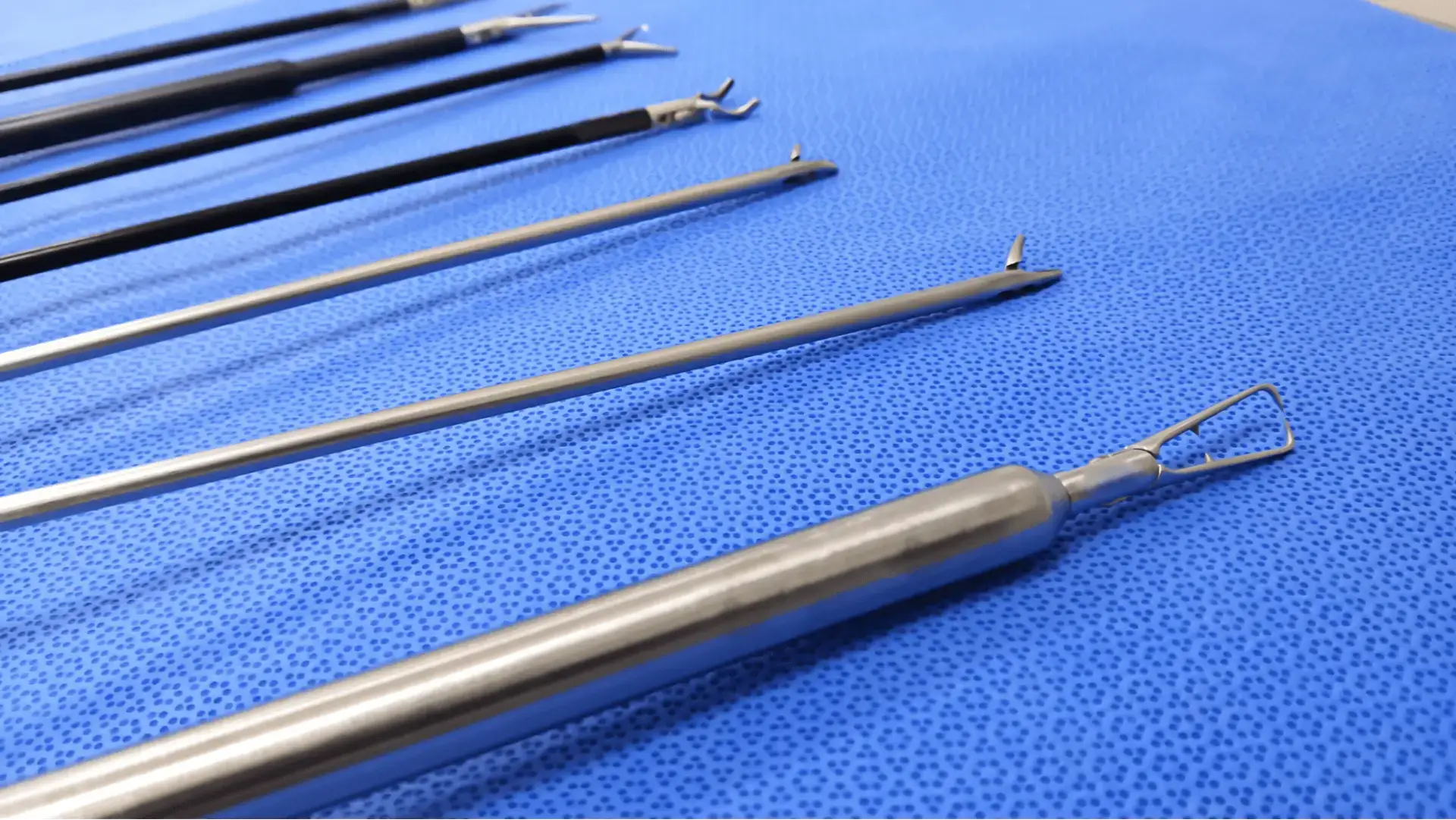
There are several surgical options available for treating endometriosis, each with its own specific applications and benefits. These procedures aim to relieve pain and improve fertility, though there’s always a chance the pain could return. The choice of surgery depends on various factors, like the severity of the condition, the patient’s symptoms, and their reproductive goals.
The most common types of endometriosis surgery include:
- Laparoscopic surgery
- Excisional surgery
- Total Laparoscopic Hysterectomy (TLH)
- Laparotomy or Abdominal Hysterectomy
Let’s go over each surgical procedure to better understand what they involve and what you might expect from them.
Laparoscopic Surgery
Laparoscopic surgery is a minimally invasive procedure that’s now the standard for diagnosing and treating endometriosis in Australia. During this surgery, a thin tube called a laparoscope, equipped with a light and camera, is inserted through small incisions in the abdomen.
This allows the surgeon to see the pelvic organs and identify endometriosis tissue. Typically, the surgeon removes or destroys the endometrial growths using excisional techniques. One of the big advantages of laparoscopy is its ability to restore anatomy and function to near-normal levels, often resulting in long-term improvement in pelvic pain and quality of life. However, like any surgery, there are risks, such as potential damage to internal structures or the need to switch to open surgery if any complications arise. The most common side effect is pain from gas trapped under the diaphragm, which usually goes away within 48 hours.
Despite these risks, laparoscopy is generally safe and effective, offering a quicker recovery time compared to more invasive surgeries. This procedure not only helps diagnose endometriosis but also provides immediate treatment, which is why many doctors recommend this approach.
Excisional Surgery
Laparoscopy with excisional surgery involves removing endometriosis tissue and can be particularly life-changing for patients with severe symptoms.
This method allows for the complete removal of endometrial tissue, addressing the root of the problem and helping to restore normal anatomical function. Unlike ablation treatments that might only destroy the surface of the lesions, this type of surgery ensures that all affected tissue, including any scar tissue, is removed whilst still only requiring laparoscopic techniques, entering through small cuts or incisions similar to other minimally invasive surgeries.
Typically, patients undergoing excisional surgery, including those needing emergency surgery, stay in the hospital for usually only 1 night and have a recovery period that can range from several weeks to a few months. This extended recovery time is due to the more invasive nature of the procedure and the healing of incision sites, but it often leads to significant improvements in symptoms and overall quality of life.
Total Laparoscopic Hysterectomy (TLH)
Total Laparoscopic Hysterectomy (TLH) is an advanced surgical technique used to remove the uterus, the fallopian tubes and sometimes the ovaries. This procedure is often considered when other treatments have failed or when endometriosis has severely affected the reproductive organs. The operating time for TLH can range from one and a half to five hours, depending on the complexity of the case.
Patients undergoing a hysterectomy usually have a relatively short hospital stay, averaging around 1-2 nights. This procedure can be highly effective in relieving symptoms such as heavy bleeding and preventing the recurrence of endometriosis, but it is a major surgery and is typically reserved for severe cases.
Laparotomy and Abdominal Hysterectomy
Laparotomy is once again a bit more of an invasive surgical option that involves making a large incision in the abdomen to access the pelvic organs. This procedure is often used in severe cases of endometriosis Patients undergoing a laparotomy typically have a longer hospital stay, often around 2-3 days.
Recovery From Endometriosis Surgery

Initially, we always recommend limiting physical activity with light exercises like walking, encouraged as recovery progresses. To prevent complications and promote healing, it’s important to avoid heavy lifting and strenuous activities for several weeks.
Recovery from endometriosis surgery involves several aspects, including managing:
- Physical activity
- Pain
- Swelling
- Emotional well-being
Swelling and pain are common after surgery and can be managed with prescribed medications and cold packs. Emotional recovery is also an essential part of the process, as patients may experience a range of emotions, from relief to anxiety and depression. Emotional support from family, friends and support groups can be a massive help during recovery.
Expected Recovery Time
The recovery time after endometriosis surgery varies depending on the complexity of the procedure and individual patient. Here are some general guidelines:
- Full recovery can take between 4-8 weeks
- Minimally invasive surgeries like laparoscopy generally require a shorter recovery period compared to more extensive surgeries.
- Most patients can return to light activities and work within 1-2 weeks after surgery.
It’s important to note that these are just general guidelines, and individual recovery times may vary. It’s best to consult with your doctor for personalised advice.
Individual conditions, such as poor overall health or the presence of other medical issues, can also hinder recovery time. Recovery from excisional surgery, for instance, depends on the surgical procedures and the patient’s response to treatment.
Managing Postoperative Pain
Effectively managing postoperative pain is a key part of the recovery process. Pain management typically involves the use of nonsteroidal anti-inflammatory drugs (NSAIDs). Slow-release paracetamol and anti-inflammatory medications are commonly used during the first week after surgery to manage pain effectively.
In some cases, stronger painkillers may be required for severe pain but should be reduced over 7-10 days as part of the medical treatment. These are typically for short-term use due to the risk of patients developing a dependency.
Emotional Recovery
Emotional recovery is just as important as physical recovery following endometriosis surgery. During this period, emotional support from family and friends is strongly encouraged.
Outside of this, participation in support groups can provide emotional relief and understanding from those who have had similar experiences.
Finally, mental health care (including counselling) can also be extremely beneficial in managing the emotional impact of surgery.
For overall recovery, it’s important to:
- Monitor mental health and seek professional counselling when necessary.
- Practice journaling or join support groups to help process experiences and feelings.
- Engage in mindfulness practices such as meditation and breathing exercises to manage stress and promote emotional well-being.
Life After Endometriosis Surgery
The outlook for life after endometriosis surgery is generally positive, with many patients experiencing significant relief from symptoms and improved fertility outcomes. The rate of reoperation after laparoscopic excision of endometriosis is relatively low. However, it’s worth noting that endometriosis can recur in new areas of the pelvis, even after meticulous and advanced excisional surgery.
Living with the possibility of recurrence requires ongoing monitoring and management, but many women find that their quality of life improves substantially after surgery. With proper follow-up care and lifestyle adjustments, the benefits of endometriosis surgery can be long-lasting and transformative.
Can Endometriosis Grow Back?
One question many patients ask us before undergoing the procedure is the possibility of endometriosis regrowing after the surgery.
Unfortunately, endometriosis can recur if it is not completely removed during surgery or if hormonal stimulation persists. Pain recurrence is also not uncommon, with some patients experiencing symptoms again within approximately two years after the initial surgery.
Some women also report a resurgence of pain following surgery. This highlights the need for thorough surgical treatment and ongoing management to minimise the risk of recurrent endometriosis. Hormonal therapies and medications may be recommended post-surgery to help suppress the regrowth of endometriosis and manage symptoms more effectively.
Impact on Fertility
Another reason why so many women with abdomen pain and painful periods undergo a laparoscopy to investigate the need for treatment is to give them the best chances to start their family.
Endometriosis surgery can significantly improve fertility outcomes for many women. Surgical intervention often leads to significant improvements, with many patients achieving natural pregnancy post-surgery. Studies show that approximately 78.3% of previously affected patients attempted and successfully conceived after surgery.
For women with mild endometriosis, normal fertility is often restored within 4-8 weeks following surgery. However, if pregnancy does not occur within a reasonable timeframe post-surgery, then consulting a fertility specialist if necessary may be recommended.
In Conclusion
Endometriosis surgery offers hope and relief for many women struggling with this painful condition. From minimally invasive options like laparoscopic surgery to more extensive procedures like hysterectomy, there are various surgical treatments available to address different severity levels of endometriosis. Recovery involves not only physical healing but also managing emotional well-being, and with proper care, the outlook post-surgery is generally positive.
Living with endometriosis is challenging, but surgical intervention can significantly improve quality of life and fertility outcomes. By understanding the different surgical options, recovery processes, and life post-surgery, patients can make informed decisions and take proactive steps toward a healthier future. If you’re ready to explore your options and take control of your health, book a consultation with Dr Brooke O’Brien at Nurture Gynaecology and start your journey toward relief and recovery.