
 120 Clifford St, Stafford Heights QLD 4053
 (07) 3472 9108
Heavy menstrual bleeding can have a significant impact on a woman’s life, leaving many feeling like they have no choice but to endure the discomfort and inconvenience. But did you know that heavy menstrual bleeding is not an unavoidable part of being a woman? With the right understanding, diagnosis, and treatment, management of heavy menstrual bleeding can be achieved effectively, allowing you to regain control over your menstrual cycle and overall well being.
In this blog post, we’ll explore the causes, symptoms, and various treatment options for heavy menstrual bleeding, as well as the importance of seeking help from a healthcare professional.
Health Highlights
- Heavy menstrual bleeding (menorrhagia) is a common issue with various treatment options available.
- Symptoms of heavy menstrual bleeding include frequent changes of products, periods lasting more than 7 days and passing clots that are difficult to contain.
- Treatment includes non-surgical methods such as medications and IUDs, surgical treatments like endometrial ablation or hysterectomy, lifestyle changes including an iron rich diet and regular exercise.
Understanding Heavy Menstrual Bleeding
Heavy menstrual bleeding, also known as menorrhagia, is a common issue affecting approximately one in five women in Australia. The clearest indicator you may be battling this condition is a noticeable increase in blood loss during your menstrual cycle, often accompanied by the passing of uncomfortable blood clots. Heavy menstrual bleeding can significantly impact a womens’ quality of life, causing fatigue, dizziness, and even shortness of breath.
Fortunately, there are many different treatment options available, ranging from medications to surgical procedures. You don’t need to suffer without relief from heavy periods; finding the right treatment can help return balance to your cycle, leading to more normal menstrual bleeding and an improvement in overall comfort and wellbeing.
Various factors can contribute to abnormal uterine bleeding, including hormonal imbalances, medical conditions, and structural abnormalities in the uterus. Finding the primary cause of your heavy menstrual flow can be a key step towards starting the most effective medical treatments to reduce bleeding and heavy periods.
So let’s unpack the basics of how abnormal menstrual bleeding is identified, diagnosed, and managed, as well as the importance of communication between yourself and an experienced healthcare professional throughout the process.
Identifying Heavy Menstrual Bleeding
It’s vital to recognise the signs of irregular menstrual flow in order to seek the right medical help to reduce menstrual bleeding. Symptoms of heavy periods may include:
- Needing to change menstrual products more frequently than every 4 hours
- Periods lasting more than 7 days
- Passing clots that are difficult to contain with pads or tampons
- Waking up during the night to change menstrual products
If your periods are affecting your ability to attend work, school, or participate in everyday activities, it’s time to take action.
We often hear stories and meet patients with heavy periods who mistakenly assume that their discomfort and intense menstrual cramps are a normal part of life, not seeking medical assistance for far longer than necessary.
However, your periods shouldn’t be disruptive or an inconvenience to your day to day. Seeking help from a healthcare professional can lead to a proper diagnosis and treatment, ultimately improving your quality of life.
Factors Contributing to Heavy Menstrual Bleeding
Several underlying causes can contribute to a heavy menstrual flow. One of the main factors is dysfunctional uterine bleeding. This and other menstrual disorders result from an imbalance of hormones that control the menstrual cycle and the thickness of the uterine lining.
Uterine fibroids, which are noncancerous growths in the uterus lining, can also cause a heavy period.
Other factors that can contribute to are the presence of:
- Endometrial polyps: growths that develop on the lining of the uterus and can result in heavy bleeding
- Other medical conditions, such as thyroid, liver, or kidney issues, can also cause heavy periods
- Blood clotting disorders
- Endometrial cancer
- Adenomyosis
These are just some of the factors that might contribute to irregular menstrual bleeding, which can sometimes be a broader indicator that you may be dealing with excessive bleeding or prolonged menstrual bleeding.
Determining the most effective medical treatment for excessive bleeding, can be best achieved through a combination of medical history, blood tests, and imaging studies.
Diagnosing Heavy Menstrual Bleeding
A comprehensive assessment of your medical history, blood test results and imaging studies is the usual starting point when diagnosing abnormal uterine bleeding. Although this can sometimes feel overwhelming or intimidating, pulling together a thorough medical history is crucial in understanding your menstrual pattern and identifying any potential underlying causes of heavy bleeding.
Blood tests and imaging studies, such as pelvic ultrasounds and endometrial biopsies, can provide valuable information for determining the root cause and guiding appropriate treatment options.
Blood Tests
Some standard blood tests for determining the cause of increased menstrual blood loss include:
- Complete blood counts (CBC): This test can help determine if anaemia is present due to heavy menstrual blood loss.
- Thyroid function tests can evaluate thyroid function, as thyroid disorders can contribute to heavy periods.
- Coagulation studies: Can identify bleeding disorders, such as von Willebrand disease or platelet dysfunction.
Imaging Studies
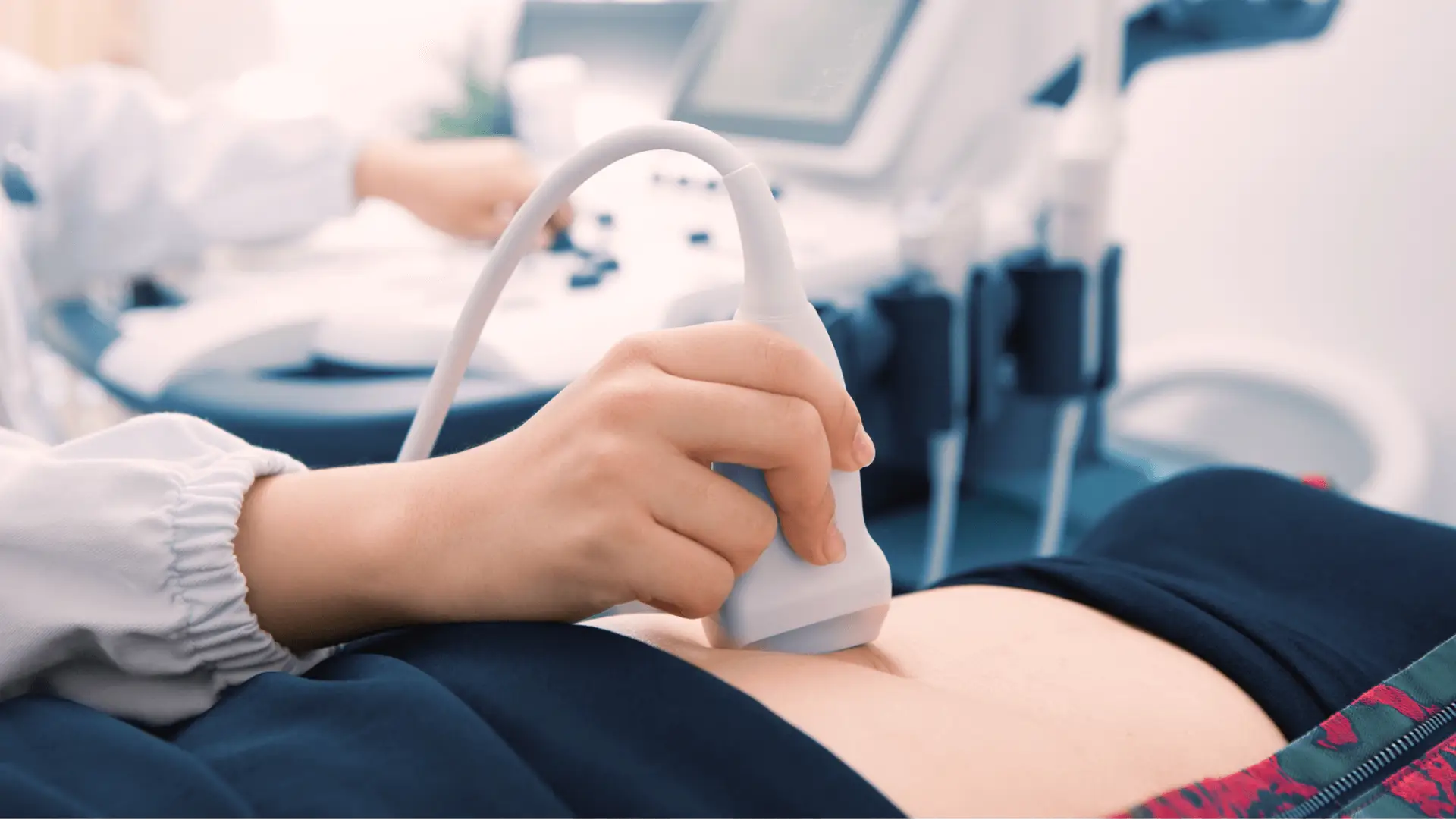
In addition to blood tests, imaging studies such as pelvic ultrasounds, endometrial biopsies, and hysteroscopies are employed to further investigate the cause of non-cancerous growths or blood clots, which can be a symptom of abnormal uterine bleeding.
Pelvic ultrasounds use sound waves to create images of the uterus and ovaries, helping to identify any structural abnormalities that may be causing abnormal bleeding.
Endometrial biopsies involve taking a small sample of the endometrium, or the lining of the uterus, for examination. This procedure can help detect:
- any abnormal growths or cells within the uterus
- any hormonal imbalances
- any infections or inflammation
- any signs of cancer or precancerous conditions
This information can be valuable in diagnosing and treating conditions such as thyroid disease that may be contributing to irregular menstrual bleeding.
Hysteroscopies, on the other hand, involve the use of a thin telescope called a hysteroscope to examine the interior of the uterus. This procedure can provide valuable information about the presence of fibroids, polyps, or other abnormalities or like signs of polycystic ovary syndrome, that may be causing heavy periods.
These tests provide important information to your healthcare professionals allowing them to accurately diagnose the cause and recommend tailored treatment.
With the right diagnosis, healthcare professionals can recommend the most appropriate treatment options to effectively manage and reduce heavy menstrual bleeding, helping to improve a patient’s quality of life.
Remember, every patient is unique and individual responses to different diagnostic tests and treatment strategies can vary. Consulting with a trusted healthcare professional and discussing your specific symptoms and concerns will ensure that you receive the most suitable care.
Non-Surgical Treatment Options for Heavy Menstrual Bleeding
Several non-surgical treatment options, including medications and intrauterine devices (IUDs), are available for managing heavy menstrual bleeding. These treatments can provide relief from heavy periods and improve your overall comfort.
In the following sections, we will discuss the various non-surgical procedures you can take for heavy menstrual bleeding in more detail.
Medications
There are several non-hormonal and hormonal medications available to help manage heavy menstrual bleeding. Non-hormonal options include non-steroidal anti-inflammatory drugs (NSAIDs) such as mefenamic acid (Ponstan) or Naprogesic, which can help alleviate pain and discomfort associated with heavy periods. Tranexamic acid is another medication that can be prescribed to reduce or stop heavy bleeding, providing relief from excessive blood loss.
In addition to non-hormonal medications, hormonal treatments can also be effective in managing heavy menstrual bleeding. Oral hormonal medications like birth control pills (contraceptives) and injectable progestogens can help regulate the menstrual cycle and reduce heavy bleeding. However, consultation with a GP is necessary to determine the most appropriate medication for your specific needs to discuss any potential side effects associated with these treatments.
For those with iron deficiency or anaemia, iron supplements or iron infusions are another important tool in managing the side effects of menstrual blood loss. These work by boosting the body’s iron stores, which can often be depleted during heavy periods. This is particularly effective alongside adopting an iron-rich diet and increasing vitamin C intake, to further support the absorption of iron overall.
Intrauterine Devices (IUDs)

Intrauterine devices (IUDs) are another non-surgical treatment option for heavy menstrual bleeding. IUDs are small, T-shaped devices inserted into the uterus to prevent pregnancy, but they can also help reduce heavy periods and menstrual flow. One such IUD is the levonorgestrel-releasing intrauterine system (LNG-IUS), which contains the progestogen levonorgestrel (one of the most commonly prescribed contraceptives) and helps to inhibit endometrial proliferation.
There are a lot of benefits behind the use of IUDs for contraception and reducing the impact felt by heavy periods. Some of these advantages include:
- IUDs can be employed for up to 5 years,
- They don’t hinder ovulation, with fertility typically resuming after removal,
- Progesterone IUDs such as Mirena and Kyleena are correlated with less severe and painful menstruations.
Discussing the benefits and potential side effects of IUDs with your GP or Gynaecologist is best to determine if an IUD is the most suitable treatment option for you.
Surgical Treatment Options for Heavy Menstrual Bleeding
In some cases surgical treatment options might be necessary for some women to effectively manage and reduce pain often associated with bleeding disorders or heavy periods. These options include endometrial ablation, uterine fibroid removal, and hysterectomies.
In the following sections, we will explore these surgical treatment options in more detail, discussing the processes, benefits, and potential risks associated with each procedure.
Endometrial Ablation
Endometrial ablation is a surgical procedure that involves the removal of the endometrium, or the lining of the uterus, to help reduce excessive menstrual bleeding.
This procedure is usually performed under general anaesthesia in a day surgery or hospital setting.
Endometrial ablation has been shown to be an effective treatment for heavy menstrual bleeding, with the goal of restoring normal menstrual bleeding and improving quality of life significantly.
It is a minimally invasive surgical procedure that has been found to be successful in diminishing heavy menstrual bleeding and alleviating symptoms associated with heavy periods, such as cramps, bloating, and blood clots.
However, endometrial ablation may not be suitable for all women, particularly those who wish to become pregnant in the future or have certain medical conditions. Consulting with your healthcare team is essential to determine if it’s the most appropriate treatment option for your specific needs and assess any potential risks and side effects associated with the procedure.
Uterine Fibroid Removal
Uterine fibroid removal, or myomectomy, is a surgical procedure to remove uterine fibroids, also known as leiomyomas. These non-cancerous growths in the uterus can cause heavy menstrual bleeding and may require surgical intervention to alleviate symptoms and reduce pain often associated with heavy periods. There are various methods of performing a myomectomy, such as abdominal myomectomy and laparoscopic myomectomy.
Removing uterine fibroids has been shown to effectively treat heavy menstrual bleeding associated with, resulting in symptom relief and improved quality of life for patients. The recovery process following uterine fibroid removal can vary depending on the type of surgery, ranging from a few days to up to six weeks.
Hysterectomy
Another surgical treatment option for heavy menstrual bleeding is the surgical removal of the uterus, a hysterectomy. There are several types of hysterectomy available, including:
- Total laparoscopic hysterectomy
- Abdominal hysterectomy
- Vaginal hysterectomy
The choice of hysterectomy type depends on your individual needs, medical history, and the specific cause of your heavy menstrual bleeding.
A hysterectomy can be an effective solution for women who haven’t been able to find relief through other treatments or who suffer from other gynaecological issues that require the removal of the uterus. However, it is important to consider and discuss with your medical team the potential risks and side effects of this procedure, as well as infertility.
The recovery process following a hysterectomy can vary depending on the type of surgery, with a general recovery period of around 4 weeks.
During this time, following your healthcare professional’s advice and recommendations for post-operative care is crucial to ensure a smooth and successful recovery.
Coping Strategies and Lifestyle Changes
If medical treatment is not yet an avenue you are ready to take, adopting certain coping strategies and lifestyle changes can provide relief to milder cases or complement medical and surgical treatments to help manage heavy menstrual bleeding. These may include:
- Following an iron-rich diet
- Increasing vitamin C intake
- Engaging in regular exercise
- Managing stress
We know lifestyle changes are easier said than done, so let’s unpack each of these strategies in more detail alongside some practical advice for incorporating them into your daily routine.
Iron-Rich Diet

An iron-rich diet is crucial for preventing anaemia and managing the impact of excessive blood loss, as it aids in restoring the body’s iron stores, which can be depleted during heavy periods. Incorporating iron-rich foods into your meals regularly can be beneficial in maintaining healthy iron levels and minimising the risk of iron deficiency. Some foods rich in iron include:
- liver and organ meats
- fish
- whole grains
- dark green leafy vegetables
- dark chocolate
- cereals
- tofu
- lean meat
Vitamin C Intake
Vitamin C is crucial for enhancing iron absorption and minimising health problems associated with anaemia and low counts of red blood cells. This essential nutrient can be found in various food sources, such as:
- Citrus fruits
- Red and green peppers
- Kiwis
- Strawberries
- Brussels sprouts
- Broccoli
- Tomato juice
Regular Exercise

Regular exercise offers numerous benefits for women experiencing heavy menstrual bleeding, including improved blood flow, reduced tension, and alleviated symptoms such as cramps, bloating, and mood swings.
Listening to your body and choosing activities that are comfortable and manageable for you during your menstrual cycle is crucial. Regular exercise not only helps to manage heavy menstrual bleeding but also contributes to your overall fitness and health.
Stress Management
Stress management techniques that can be beneficial in alleviating heavy menstrual bleeding include:
- Relaxation exercises
- Sufficient sleep
- Regular exercise
- A balanced diet
These techniques have the potential to regulate hormonal balance and improve blood flow, potentially resulting in a reduction in heavy bleeding. Additionally, a sufficient amount of sleep can be crucial in managing symptoms caused by heavy menstrual bleeding and blood loss.
Remember, individual responses to stress management techniques can vary, and it might require some experimentation and consultation with your medical team to find the most effective solution.
By adopting a holistic approach to managing heavy menstrual bleeding, including stress management techniques, you can improve your overall comfort while effectively managing your menstrual cycle.
When to See a Health Professional
If heavy menstrual bleeding is affecting your quality of life, it is crucial to seek professional help from a healthcare professional like Dr Brooke O’Brien, who has several years of specialist experience in gynaecology and women’s health, as well as subspecialty training in paediatric and adolescent gynaecological conditions.
Consulting a doctor is essential in ensuring an accurate diagnosis and obtaining the appropriate treatment tailored to your particular needs and circumstances. At Nurture Gynaecology, our team has been providing gynaecological care for over 10 years.
We’re committed to helping you find the most effective solution for managing heavy menstrual bleeding and improving your quality of life. To book an appointment with Dr. Brooke O’Brien, contact us for a confidential discussion or make a booking on our website.
Heavy menstrual bleeding can have a significant impact on your day to day quality of life, but it doesn’t have to be an inevitable part of being a woman. By understanding the causes, symptoms, and various treatment options, as well as implementing coping strategies and lifestyle changes, you can effectively manage heavy menstrual bleeding and find much needed comfort and relief.
Don’t hesitate to seek professional help if heavy periods are affecting your everyday life. With the right support and guidance from a healthcare professional like Dr. Brooke O’Brien, you can regain control over your menstrual cycle and live a healthier, happier life.