 120 Clifford St, Stafford Heights QLD 4053
 (07) 3472 9108
Have you ever woken up feeling inexplicably exhausted, seen unexpected weight gain, or found yourself grappling with unpredictable mood swings? These symptoms could hint at an underlying issue many face: hormonal imbalances. For many individuals, acknowledging these symptoms can be the first step toward understanding and addressing them. Knowing the causes and treatment options for hormonal imbalances empowers people to reclaim their health and well-being.
That’s why in this blog post, we’ll delve into the world of hormones, exploring their functions, the impact of imbalances on gynaecological health, and the various hormone imbalance symptoms one might experience. We will also discuss the common causes of hormonal imbalances in women and outline the available treatment options, including natural remedies, medications, and surgical procedures. Lastly, we will provide tips on how to prevent hormonal imbalances and when to consult a healthcare provider.
What do our hormones do?
Hormones, as chemical messengers, regulate various bodily functions like:
- metabolism
- sleep
- reproduction
- mood
These messengers are produced by the endocrine glands and circulate through the bloodstream to target organs, skin, muscles, and other tissues. Overall well-being depends on maintaining a healthy hormonal balance, as even minor imbalances can cause significant effects like vaginal dryness in women.
Endocrine glands, such as the thyroid, pituitary, and adrenal glands, produce, store, and secrete hormones into the bloodstream. Hormonal imbalances can affect a range of bodily functions and lead to various health issues. Some examples of hormonal imbalances include:
- Polycystic ovary syndrome (PCOS), which can cause irregular periods and fertility difficulties in women
- Hypothyroidism, which occurs when the thyroid gland does not produce enough thyroid hormones and can lead to fatigue, weight gain, and depression
- Hyperthyroidism, which occurs when the thyroid gland produces too much thyroid hormone and can lead to weight loss, rapid heartbeat, and anxiety
Although our hormones naturally fluctuate, it is important to recognise and understand and monitor your hormone levels to maintain overall health and well-being.
Impact of hormones on gynaecological health
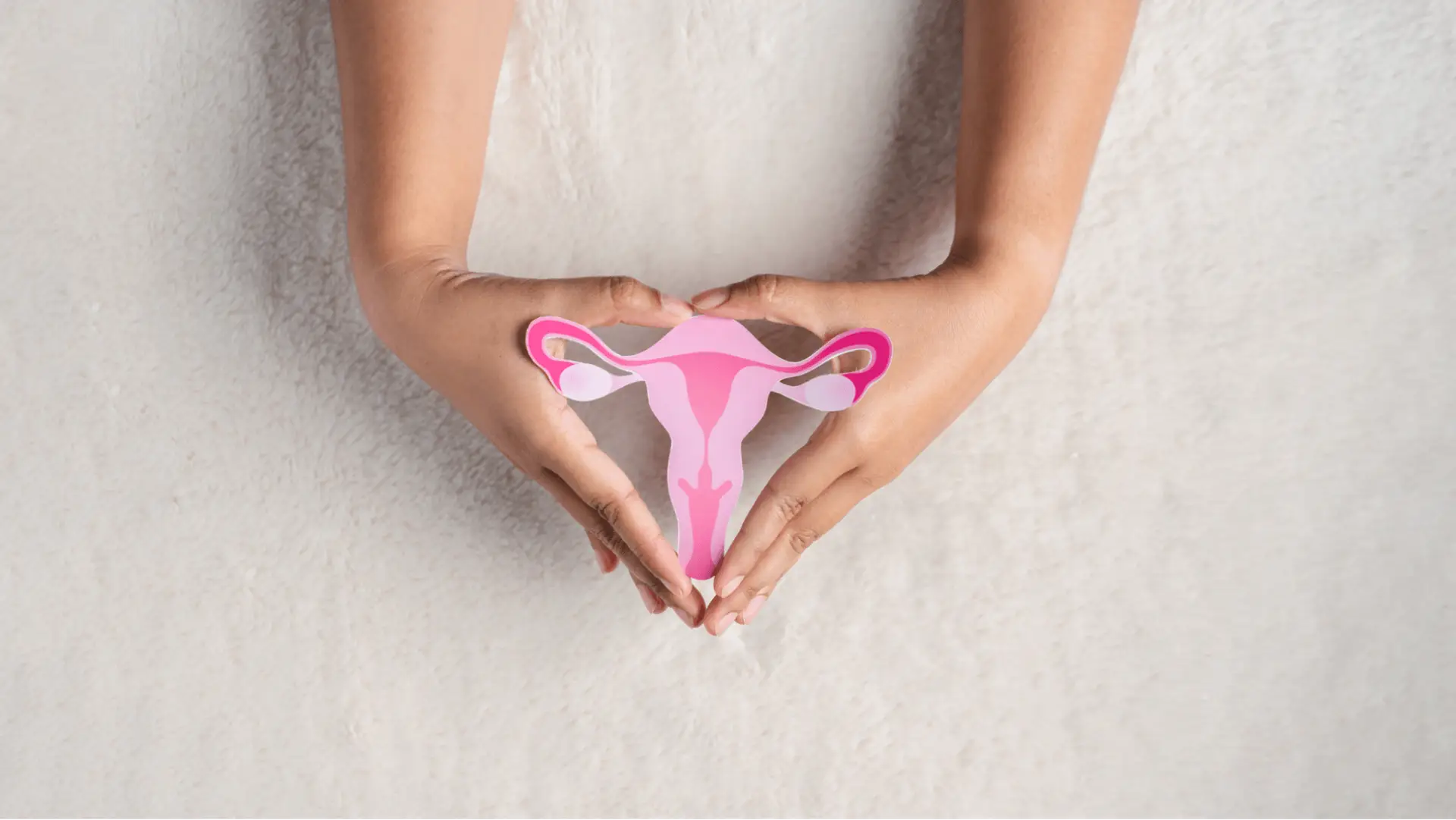
Hormone imbalances can significantly affect gynaecological health, resulting in issues such as irregular periods, polycystic ovary syndrome (PCOS), and fertility problems. Women typically experience hormonal changes during puberty, menstruation, pregnancy, and menopause. These fluctuations can cause variations in weight, energy levels, sleep patterns, hair growth, and menstrual cycles. In some cases, hormone imbalances can lead to more serious health concerns, such as an increased risk of Type 2 diabetes and cardiovascular disease in women with PCOS.
Prioritising early diagnosis and the right treatment isn’t just about alleviating symptoms; it’s about nurturing your overall gynaecological health. You deserve to feel your best, and taking these proactive steps can be an empowering part of your health journey.
Recognising Hormone Imbalance Symptoms
Symptoms of hormonal imbalances can be categorised into three main groups: physical, emotional, and cognitive. By understanding the various symptoms, you can identify potential imbalances and seek professional help to address the underlying cause.
Physical symptoms of a hormone imbalance may include variations in weight, energy levels, sleep patterns, hair growth, and irregular menstrual cycles. Emotional symptoms can manifest as anxiety, depression, mood swings, and irritability. Cognitive symptoms, on the other hand, can involve difficulty concentrating, brain fog, memory problems, and confusion.
Please keep in mind that the symptoms guide provided below is just a starting point, hormonal imbalance experiences can differ from person to person, and symptoms can vary in severity.

Physical Symptoms
Weight changes, fatigue, and skin issues are some of the common physical symptoms associated with hormonal imbalances. Other manifestations may include:
- reduced libido
- acne
- irregular or heavy menstruation
- elevated blood glucose levels
- musculoskeletal pain
- hair loss
- hot flashes
Emotional Symptoms
Hormonal imbalances can also affect one’s emotional well-being, with symptoms such as mood swings, anxiety, and depression. These emotional manifestations can be attributed to imbalances in stress hormones, such as cortisol, which can disrupt the body’s natural hormone balance. Persistent or severe emotional symptoms can interfere with daily activities and relationships, making it essential to address the underlying hormonal imbalance.
Bear in mind that emotional symptoms can sometimes masquerade as other mental health conditions like anxiety disorders or clinical depression. However, if these emotional symptoms are accompanied by other physical and cognitive symptoms of hormonal imbalances, it could indicate an underlying hormonal issue that needs to be addressed by a healthcare provider.
Cognitive Symptoms
Cognitive symptoms associated with hormonal imbalances can include brain fog, memory difficulties, and difficulty concentrating. Brain fog, in particular, is characterised by confusion, impaired memory, and difficulty focusing on tasks. These cognitive symptoms can disrupt daily functioning and significantly impact an individual’s quality of life.
When it comes to recognising emotional and cognitive symptoms, it is important to consult your GP, or therapist (if you have one) and reflect on your diet, lifestyle and pre-existing medical conditions. If you can confidently rule out these other factors as contributing to your symptoms you and your healthcare team will be one step closer to treatment.
Common Causes of Hormonal Imbalance
A hormonal imbalance occurs when hormones rise or drop below normal levels in the bloodstream and can be caused by various factors, such as medical conditions, lifestyle habits, and medications.
There are also a number of medical conditions that can affect hormone production including thyroid disorders, polycystic ovary syndrome (PCOS), and congenital adrenal hyperplasia. Lifestyle habits, such as poor dietary choices, inadequate physical activity, and stress, can also lead to hormonal imbalances.
Additionally, certain medications, such as birth control pills, steroids, and certain antidepressants, may also be associated with hormonal imbalances in individual cases.
What Causes a Hormonal Imbalance in Women?
Some of the most common causes may include menopause, polycystic ovary syndrome (PCOS), and certain medications like birth control pills. Menopause is a natural transition in a woman’s life that marks the cessation of her monthly periods and reproductive cycles, often leading to hormonal changes and imbalances.
PCOS is the most common endocrine/hormonal disorder in women, characterised by irregular periods, excessive facial or body hair, and difficulties regulating blood sugar levels. Women with PCOS are at an increased risk of developing Type 2 diabetes and cardiovascular disease, so diagnosis and treatment are important not just for symptom relief or fertility but overall wellbeing.
Hormonal Imbalance Diagnosis
Diagnosing hormonal imbalances typically involves blood tests, medical history, and physical exams. Blood tests can assess hormone levels, such as oestrogen, testosterone, and cortisol, helping healthcare providers identify the underlying cause of the imbalance.
If you experience persistent or severe symptoms of hormonal imbalance, particularly those causing pain, discomfort, or hindering daily activities, consulting your GP first and foremost is advisable. If needed they can refer you or advise you to seek a specialist, like the team at Nurture Gynaecology, for further evaluation and treatment.
Treatment Options for Hormonal Imbalances
Treatment options for hormonal imbalances include natural remedies, medications, and surgical procedures. The choice of treatment depends on the specific cause of the imbalance, the severity of symptoms, and the individual’s overall health and preferences. Considering the risks and benefits of each treatment option should be done in consultation with a healthcare provider.
Natural remedies and lifestyle modifications may help alleviate symptoms of hormonal imbalance and restore overall well-being. Medications like hormone replacement therapy or hormone blockers are common in the treatment of menopause and PCOS and can be prescribed to treat hormonal imbalances, depending on the underlying cause.
In some cases, surgery or gynaecological procedures may be necessary to address the root cause of the hormonal imbalance.
Natural Remedies and Lifestyle Changes
Natural remedies and lifestyle changes, such as a healthy diet, regular physical activity, and stress management, can help alleviate hormonal imbalance symptoms. Stress relief techniques, such as deep breathing exercises, mindfulness, meditation, and yoga, can be particularly helpful in regulating hormones and restoring balance. If your hormonal imbalance is impacting your skin condition, your specialist can also assist in treatment options that are hormonal, non-hormonal or treatment based depending on your medical conditions.

Medications
Medications that can be used to treat different hormonal imbalances include (each of these treatment options need to be discussed with a doctor before commencing as they each assist in treating and managing different symptoms and hormone types):
Non-Hormonal Medications:
- on-steroidal anti-inflammatory drugs (e.g., Mefenamic acid, Naprogesic).
- Tranexamic acid for bleeding reduction or cessation.
- Iron supplements or infusions for iron deficiency or anaemia
Hormonal Medications:
- Oral hormonal medication.
- Intrauterine Devices (e.g., Mirena or Kyleena with low dose progesterone).
Menopausal Symptoms:
- Menopausal Replacement Therapy (MHT) – which isa body identical hormone which has replaced previously used Hormonal Replacement Therapy (HRT) for symptoms like hot flushes, insomnia, and vaginal dryness.
Surgery and Gynaecological Procedures
Surgical interventions may be employed for the treatment of hormonal imbalances, such as the removal of tumours or addressing issues with the endocrine system. The specific interventions used depend on the root cause of the hormonal imbalance.
Treatment for a patient with an unusually heavy menstrual cycle may be caused by something as simple as treating an iron deficiency or be caused by the development of fibroids. Surgery options could be any of the following procedures:
- NovaSure Endometrial Ablation
- Removal of fibroids or polyps within the uterine cavity via Myomectomy or hysteroscopy
- Hysterectomy
How to Prevent Hormonal Imbalances
Preventing hormonal imbalances involves maintaining a healthy lifestyle, managing stress, and avoiding exposure to environmental toxins. Women’s health is often understudied and dismissed, that’s why maintaining a healthy sense of learning, and reflection is imperative in staying in tune with your reproductive and hormonal health. Adopting a balanced diet, engaging in regular physical activity, and practising stress management techniques can help keep hormones balanced and promote overall well-being.
To reduce exposure to environmental toxins and maintain hormonal balance, it is recommended to limit contact with chemicals, pollutants, and other toxins – this also includes being mindful and limiting your alcohol, processed foods and other habits like smoking and vaping. By taking these preventive measures, you can reduce the risk of developing hormonal imbalances and the associated health issues that often follow.
When to Consult a Healthcare Provider
Early diagnosis and the right treatment can significantly alleviate these symptoms, paving the way for enhanced overall well-being. Your GP could potentially refer you to a specialist, such as an endocrinologist, for more in-depth evaluation and management.
Health professionals play an instrumental role in diagnosing the root of the imbalance. They can guide you through the myriad of treatment avenues, from holistic remedies and lifestyle modifications to specific medications and surgical interventions. Don’t leave your hormonal and reproductive health to chance.
To take a proactive step in managing your well-being, book a consultation with Dr Brooke O’Brien. Dr O’Brien is here to assist those concerned about their hormonal and reproductive health, ensuring you’re on the best path to a balanced life.