 120 Clifford St, Stafford Heights QLD 4053
 (07) 3472 9108
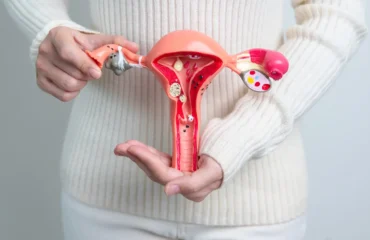
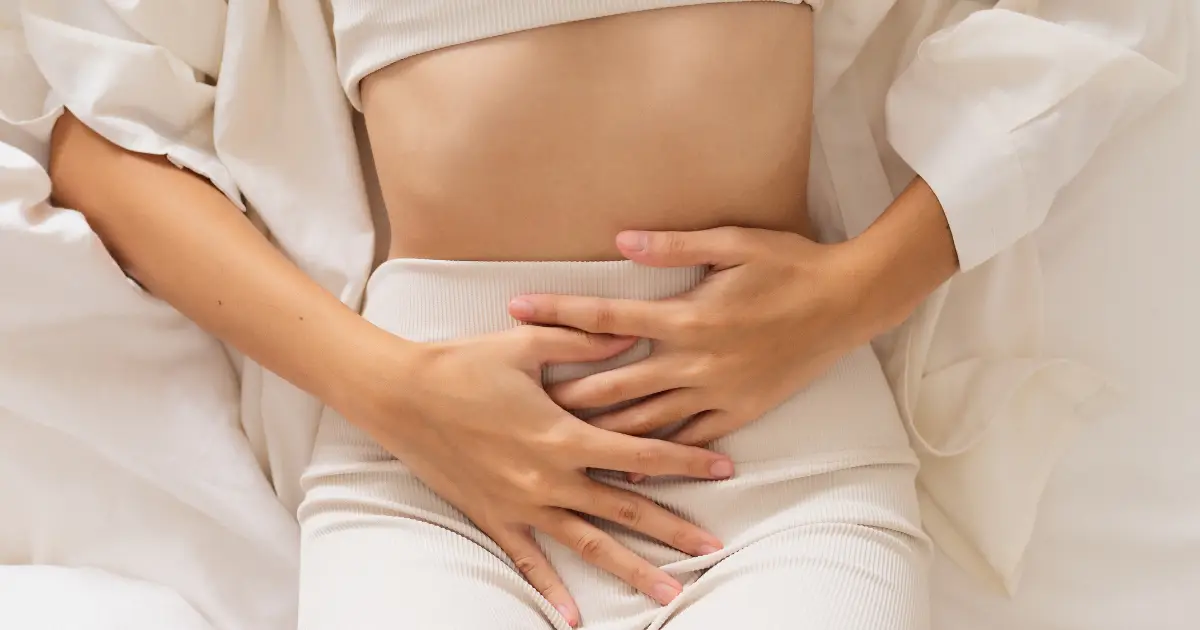 Endometriosis is a condition that affects millions of women worldwide and 830,000 (more than 11%) of Australian women. It occurs when the tissue that lines the uterus, called the endometrium, grows outside of the uterus in other parts of the body, such as the ovaries, fallopian tubes, or pelvic lining. This can cause a range of symptoms, from chronic pelvic pain and painful periods to painful intercourse and infertility. Endometriosis can also increase the risk of other conditions, such as irritable bowel syndrome and certain types of cancer.
Although there is no way to fully cure endometriosis, there are ways to manage the symptoms and improve quality of life. One of these ways is through diet. In this blog post, we’ll explore the link between endometriosis and diet and discuss which foods to eat and avoid to help manage the condition. From the benefits of a gluten-free diet to the dangers of trans fats and processed foods, we’ll cover all the nutritional aspects related to endometriosis. So, if you’re looking for ways to reduce your pelvic pain and improve your overall health, read on!
Why Food is an Aggravating Factor for Endometriosis Symptoms
It is believed that certain foods can aggravate endometriosis symptoms. These symptoms include endometriosis pain, painful periods, and painful intercourse.
Foods that are high in fatty acids and dietary fat consumption, such as red meat and fast foods, can increase the risk of developing endometriosis. Similarly, foods that contain partially hydrogenated oils, such as certain processed foods, can also aggravate endometriosis symptoms.
On the other hand, a low FODMAP diet can help reduce endometriosis symptoms by avoiding certain foods that are difficult to digest. This includes foods such as certain citrus fruits, high FODMAP foods, and whole grains.
Eating a healthy diet that includes dark leafy greens, fatty fish, and iron-rich foods can also help improve endometriosis symptoms by reducing inflammation and providing the body with essential nutrients. Ultimately, further research is needed to determine the exact relationship between diet and endometriosis, but making dietary changes can be a useful tool in reducing symptoms and improving overall health.
What to Eat: Foods to Include in Your Endometriosis Diet
If you’re living with endometriosis, you may be wondering what you can do to manage your symptoms and improve your overall health. One way to start is by making some simple changes to your diet. Eating a healthy, high-antioxidant diet can help fight inflammation, ease painful symptoms, and lower your risk of other health issues.
Here are some foods and healthy swaps you can consider adding to your diet:
- Gluten-free options like brown rice, quinoa, and gluten-free oats can be great sources of whole grains without triggering symptoms for those with celiac disease or gluten intolerance.
- Foods high in fatty acids, such as salmon, tuna, and other fatty fish, are rich in omega-3 fatty acids, which can help reduce inflammation.
- Dark leafy greens such as kale, spinach, and collard greens are rich in vitamins and minerals and can help reduce inflammation.
- High-antioxidant foods like blueberries, raspberries, and dark chocolate can help neutralize free radicals and protect against damage from oxidative stress.
- Foods rich in non-heme iron, such as beans, lentils, and leafy greens, can help replenish iron lost during menstruation and reduce the risk of anemia.
By incorporating these foods into your diet, you can help ease endometriosis pain and reduce your risk of other health issues. It’s important to work with your GP, Gynaecologist and registered dietitian to develop a diet plan that’s just right for you.
What to Avoid: What Foods Should I Avoid if I Have Endometriosis?
Certain foods can increase the risk of painful endometriosis-related symptoms and negatively affect overall health. Here are some specific foods to avoid if you have endometriosis:
- Red Meat – Red meat is high in heme iron which can promote inflammation and increase the risk of endometrial tissue growth.
- Trans Fats – Trans unsaturated fatty acids, commonly found in fast foods, fried foods and baked goods, can increase inflammation and contribute to painful menstrual cramps. Not only this
- Avoiding Gluten – Gluten can cause inflammation in the gut and worsen endometriosis pain in many women who are intolerant or have celiac disease.
- Alcohol – Increased consumption and regular alcohol intake can spur inflammation and negatively impact estrogen levels.
Instead, aim to eat fish and plenty of green vegetables to provide anti-inflammatory benefits and regulate your estrogen levels. By eliminating gluten, red meat and trans fats from your diet and incorporating alternatives, you can reduce the likelihood of tissue bleeds, uterine lining growths, and significant pain. A regular or systematic review with your health team may suggest that adopting a healthier or low FODMAP diet can also reduce those painful endometriosis-related symptoms.
Having a Healthy Relationship with Food and Dietary Supplements
If you have endometriosis, a healthy and non-restrictive diet can help alleviate symptoms and reduce the risk of endometriosis. In addition to avoiding trans and saturated fats, it’s essential to incorporate dietary supplements into your daily routine. Supplements such as omega-3 fatty acids, magnesium, and vitamin D have been shown to have anti-inflammatory properties, which can reduce endometriosis tenderness and pain.
Moreover, following a gluten-free diet or starting a low FODMAP diet has been shown to improve symptoms in many women with endometriosis. A specific diet that is rich in green vegetables, lean protein, and healthy fats can support the body’s natural processes, such as regulating hormone levels, reducing inflammation, and preventing uterine lining growths.
To sum it up, a healthy and balanced diet with dietary supplements can help manage endometriosis. For people with endometriosis, a non-restrictive approach to food can be life-changing. By avoiding trans fats, incorporating anti-inflammatory supplements, and adopting a specific diet, you can reduce symptoms and live a more balanced life. If you’d like to speak with us about any questions or concerns you have about endometriosis, book an appointment with our specialist Dr Brooke O’Brien to start a treatment path that suits you.