
 120 Clifford St, Stafford Heights QLD 4053
 (07) 3472 9108
Do You Need a Pap Smear After Hysterectomy? Understanding Your Post-Surgery Health Needs

Undergoing a hysterectomy is a significant medical procedure that can impact long-term cancer prevention strategies, including cervical cancer screening. Many women wonder, “Do I need a pap smear after a hysterectomy?”. The answer depends on various factors, including whether the cervix remains and the reason for the surgery.
At Nurture Gynaecology, our specialists provide expert guidance ons, and routine screening after a hysterectomy. This article explores whether Cervical Screening after hysterectomy is necessary, the reasons for follow-up testing, and how often you should see a gynaecologist.
Understanding Hysterectomy & Pap Smears
- A hysterectomy is a surgical procedure that involves the removal of the uterus, and sometimes the cervix, due to various medical reasons such as cancer, fibroids, or other gynaecological conditions.
- Current cervical screening uses a HPV test ( Human Papilloma Virus) and a cell test (cytology) if the HPV test is detected, in the past, only a cell test was done which was previously referred to as a Pap Smear. routine screening test is used to detect the HPV Virus and to detect abnormal cell changes in the cervix, which can potentially develop into cervical cancer.
Is a Pap Smear Necessary After a Hysterectomy?
The need for cervical screening ( HPV test or Pap smear) after hysterectomy depends on the type of hysterectomy performed and the patient’s medical history. According to Cancer Council Australia, women who have had a total hysterectomy (removal of the uterus and cervix) for benign conditions do not require further cervical cytology or pap tests if they had a normal test prior to their hysterectomy.. However, in cases where the women had a positive HPV test prior to their hysterectomy, or the specimen showed high-grade cervical cells, further investigation may be needed.
For women who had a subtotal hysterectomy (where the cervix remains), regular screening is still recommended, as they are still at risk of developing cervical cancer (RANZCOG, 2023). Additionally, if the hysterectomy was performed due to high-grade pre-invasive disease or invasive cervical cancer, ongoing follow-up testing is essential to monitor for recurrent disease.

Reasons for a Pap Smear After a Complete Hysterectomy
Even after a total hysterectomy, some women may still need screening tests, such as collection of a HPV test and cytology from the vaginal vault, under the following circumstances:
- Previous diagnosis of high-grade cervical cells or pre-invasive disease
- Hysterectomy due to cervical cancer or endometrial cancer
- Presence of HPV virus, particularly high-risk types
- Increased risk factors, such as a history of abnormal pap tests
- Known risk factor for vaginal cancer
- Cases where the hysterectomy specimen indicated a need for further monitoring
- Women treated for a benign disease but with a history of abnormal cervical cytology
In these cases, vaginal vault smears and HPV tests play a crucial role in early detection and ongoing monitoring to ensure long-term health and cancer prevention.
Can You Still Get Cervical Cancer After a Hysterectomy?
While a total hysterectomy removes the cervix, eliminating the risk of cervical cancer, women who have had a partial hysterectomy are still at risk and require regular screening (Australian Government Department of Health, 2023).
Additionally, women can still develop vaginal cancer, which is why vaginal vault cytology may be recommended for those with prior high-grade lesions or the prescence of the HPV virus exposure (World Health Organisation, 2023). Primary HPV testing and early detection help in identifying any abnormalities in women with known risk factors.

How Often Should You See a Gynaecologist for Routine Screening After a Hysterectomy?
Even if routine screening is no longer required, regular check-ups with a general practitioner or gynaecologist are important for cancer prevention and overall reproductive health. The Royal Australian and New Zealand College of Obstetricians and Gynaecologists (RANZCOG) recommends that women who have undergone a hysterectomy for cervical cancer or pre-invasive disease should continue follow-up testing as per their specialist’s recommendations. This may include HPV tests and, vaginal vault smears, or primary HPV testing at set intervals.
Women who have undergone a hysterectomy for benign conditions and have had normal results in previous cervical cancer screening may no longer require regular screening. However, regular gynaecological check-ups are still advisable, especially for those at an increased risk of other gynaecological conditions.

Nurture Gynaecology: Your Partner in Women’s Health
At Nurture Gynaecology, we provide compassionate, expert care for women navigating post-hysterectomy health. Whether you have a condition requiring further investigation, have concerns about screening tests, or simply need guidance on cancer prevention, our Brisbane-based specialist is here to support you.
Contact us to book an appointment today to discuss your individual health needs and ensure you receive the most appropriate care.
- Published in Blogs
Vaginal Prolapse Post Hysterectomy: Symptoms, Causes, and How Soon It Can Occur
Understanding Prolapse After a Hysterectomy
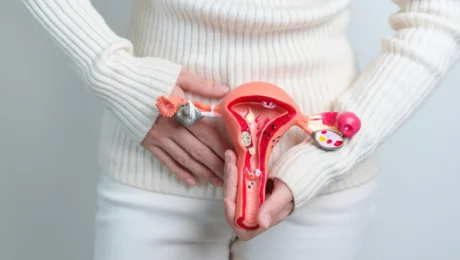
A hysterectomy is a common surgical procedure performed to remove the uterus. While a hysterectomy can offer relief from conditions like fibroids, endometriosis, or uterine cancer, it’s completely normal to have concerns about what comes next.
One potential complication is vaginal prolapse post-hysterectomy, a condition we’re here to help you understand and manage with care. This condition occurs when the pelvic organs shift due to the loss of uterine support, leading to pelvic organ prolapse.
Understanding the symptoms, risks, and preventative measures is key to maintaining pelvic health after a hysterectomy, that’s why the experts at Nurture Gynaecology have created this blog to answer any questions you may have.
What are the Symptoms of a Prolapse After Hysterectomy?
If you’re noticing changes in your body after a hysterectomy, it’s important to know you’re not alone. Many women experience symptoms that can feel confusing or concerning, but understanding them is the first step to getting the right support.
Prolapse symptoms can vary depending on the severity of the condition and which part of the pelvic area is affected. Common symptoms of a vaginal vault prolapse include:
- A feeling of pressure or fullness in the pelvis
- A noticeable bulge in the vaginal area
- Discomfort or pain during sexual activity
- Urinary incontinence or difficulty emptying the bladder
- Constipation or difficulty passing stool
- Lower back pain
- A dragging or heavy sensation in the pelvic cavity
These symptoms may develop gradually and can impact daily life. If left untreated, severe cases may require surgical intervention to restore the normal position of the pelvic organs.

What Happens if You Have a Prolapse After a Hysterectomy?
If you develop a prolapse after a hysterectomy, the severity will determine the recommended treatment. Mild cases of vaginal prolapse may be managed with lifestyle changes, pelvic floor exercises, or a vaginal pessary to provide support. In severe cases, surgical intervention such as vaginal vault suspension may be required to reposition the pelvic organs.
The most common types of prolapse after a hysterectomy include:
- Vaginal vault prolapse – when the top of the vagina loses support and begins to descend
- Anterior vaginal wall prolapse (bladder prolapse) – when the bladder pushes into the front wall of the vagina
- Rectocele (back wall prolapse) – when the rectum bulges into the back wall of the vagina
- Uterovaginal prolapse – when the remaining tissues and muscles fail to support the vaginal vault
Without treatment, prolapse can lead to further complications, including chronic discomfort, infections, and worsening pelvic floor disorders.
Causes & Risk Factors of Prolapse
Prolapse after hysterectomy often results from weakened pelvic floor muscles, which support the vagina and other pelvic organs. Hormonal changes, particularly the natural decline in oestrogen during menopause, can also weaken the pelvic tissues, increasing the risk of prolapse. The removal of the uterus eliminates key structural support, increasing the risk of vaginal vault prolapse. Age-related muscle weakening, obesity, chronic coughing, and constipation further contribute to this condition by adding strain to the pelvic floor.
While not all women develop prolapse post-hysterectomy, proactive measures can help reduce the risk.
How to Avoid Prolapse After a Hysterectomy
Preventing pelvic organ prolapse post-hysterectomy involves several proactive measures:
- Strengthening the pelvic floor – Regular pelvic floor exercises help to provide support to the pelvic organs and reduce the risk of vaginal prolapse.
- Avoiding heavy lifting – Straining the pelvic muscles can weaken the support structures, increasing the risk of prolapse.
- Maintaining a healthy weight – Losing weight, if necessary, can reduce pressure on the pelvic area and improve overall health.
- Managing constipation – Treating constipation with a high-fibre diet and adequate hydration prevents straining that can weaken the pelvic floor.
- Practising good bladder habits – Avoiding excessive straining during urination and ensuring complete emptying of the bladder can help prevent anterior vaginal wall prolapse.
- Using a vaginal pessary – A doctor may recommend a pessary device to provide additional support for the vaginal wall and vault.
- Avoiding excessive pressure on the pelvis – While heavy lifting and high-impact exercises can place strain on the pelvic floor, the right approach varies for each woman. A pelvic health physiotherapist can guide you on safe exercises tailored to your recovery.
- Seeking early treatment – Recognising early prolapse symptoms and consulting a doctor promptly can prevent further complications.

How Long After Hysterectomy are you at Risk of Prolapse?
The risk of vaginal vault prolapse and other types of pelvic organ prolapse can occur months or even years after a hysterectomy. While some women may experience symptoms soon after surgery, others may not notice issues until menopause, when hormonal changes lead to further weakening of the pelvic tissues. Life factors like menopause, weight changes, and physical activity levels can influence pelvic floor health throughout life.
The highest risk period is typically within the first few years post-surgery as the body adjusts to the absence of the uterus. Women who have had a vaginal hysterectomy may be at higher risk compared to those who had an abdominal or laparoscopic procedure, as the vaginal vault has less structural support. Factors such as childbirth history, overall pelvic floor health, and lifestyle choices also contribute to the likelihood of developing prolapse.
Treatment Options for Prolapse Post-Hysterectomy
The recommended treatment for vault prolapse and other types of pelvic organ prolapse will depend on the severity and impact on daily life. These treatment options can also be used to treat uterine prolapse.

Treatment options include:
Non-Surgical Treatments
- Pelvic floor exercises – Strengthening the pelvic floor muscles can help mild cases and prevent progression.
- Vaginal pessary – A device inserted into the vagina to support the pelvic organs.
- Lifestyle changes – Losing weight, avoiding heavy lifting, and treating constipation can relieve symptoms and prevent worsening prolapse.
Surgical Treatments
- Vaginal vault suspension – A procedure to reposition the vaginal vault and provide long-term support.
- Anterior or posterior vaginal repair – Correcting the front wall or back wall of the vagina to address bladder or rectal prolapse.
- Mesh surgery (in severe cases) – Used in some cases to reinforce the pelvic tissues, though it carries risks.
Surgical intervention is generally considered for severe prolapse when non-surgical methods do not provide relief.
When to See a Specialist
If you’re concerned about symptoms of vaginal prolapse post-hysterectomy, You don’t have to wait for severe symptoms to seek help. If you’re feeling unsure about changes in your body or have questions about pelvic health, it’s always okay to reach out. Early support can make a big difference.
A specialist can assess the severity of your prolapse and recommend the most suitable treatment options to restore pelvic health and comfort.
At Nurture Gynaecology, we provide expert care for women experiencing pelvic floor disorders, including vaginal vault prolapse, bladder prolapse, and other post-hysterectomy complications. Our team is committed to helping you regain confidence and improve your quality of life through personalised treatment options.
If you have concerns about pelvic organ prolapse or would like to discuss prevention strategies, request an appointment with Nurture Gynaecology today to take the first step towards better pelvic health.

The information provided in this article is for educational purposes only and should not be considered medical advice. Always consult a qualified healthcare professional for diagnosis, treatment, and personalised medical guidance.
- Published in Blogs
HPV Vaccine Effect on Cervical Cancer: Exploring Success Rates and Efficacy
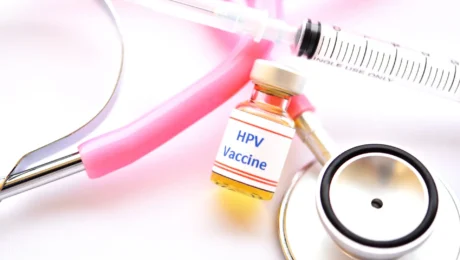
You might already know that cervical cancer is one of the most common cancers affecting women worldwide. With this in mind, we must give thanks to the extraordinary advancements in medical science which has seen the HPV vaccine become a game-changer in preventing this disease.
In this blog, we’ll break down how the HPV vaccine works. We will be sure to explore its success rates as well as why it’s so effective in protecting women from cervical cancer and other HPV-related cancers. Whether you’re a parent considering the vaccine for your child, or simply wondering how it could benefit you, this guide will give you all the information you need to make an informed decision!
What’s the Link Between HPV and Cervical Cancer?
First, let’s talk about what causes cervical cancer. The cause of cervical cancer in nearly all cases is human papillomavirus (HPV), a virus that’s transmitted through skin-to-skin contact during sexual activity, leading to HPV infection. HPV is very common and most people will contract HPV. it at some point in their lives without even knowing. There are several strains of HPV, with two specific HPV types (16 and 18) which are responsible for about 70% of all cervical cancers.
Most times your body will clear HPV infections on its own. Although, in some cases, the virus sticks around and causes abnormal changes in the cervix. Over time, these changes can develop into cervical cancer if left untreated, with the diagnosis usually discovered during a cervical screening test. This is why the HPV vaccine is so important. What it does is help stop the virus before it has a chance to do any damage, potentially going on to prevent cervical cancer.

How Does the HPV Vaccine Protect You?
The HPV vaccines work by teaching your body how to fight off the HPV virus before you’re ever exposed to it. Once you’re vaccinated, your immune system will be able to recognize and destroy the virus if you ever come into contact with it. This will help you in preventing HPV infections from causing problems like cervical cancer, genital warts, or other HPV-related cancers.
There are a few different versions of the HPV vaccine, each targeting different HPV types:
- Cervarix (bivalent vaccine): Protects against HPV types 16 and 18, which are responsible for most cervical cancers.
- Gardasil (quadrivalent vaccine): Protects against HPV types 6, 11, 16, and 18. Types 6 and 11 cause genital warts.
- Gardasil 9 (nonavalent vaccine): Protects against nine HPV types, including the ones that cause cervical cancer and genital warts.
Getting vaccinated for this disease will always be most effective when given before someone becomes sexually active, ideally between the ages of 9 and 14. But don’t worry, adults can also benefit from it. The HPV vaccine is typically given in two or three doses depending on your age.
How Effective Is the HPV Vaccination?
Since 2017, Gardasil-9 has been the only HPV vaccine available in the U.S. The HPV vaccine has been extensively studied, and the results are incredibly positive. Here are some key statistics on its effectiveness:
- Prevents infection: The HPV vaccine has reduced infections of high-risk HPV types by up to 86% among teenage girls and 71% among young women.
- Decreases cervical pre-cancers: In countries like Australia, where vaccination programs are well-established, the number of precancerous lesions in the cervix (which can lead to cervical cancer) has significantly dropped among young women.
- Reduces cervical cancer rates: Studies show that the HPV vaccine can prevent more than 90% of HPV-related cancers, including cervical cancer. Some experts predict that countries with high vaccination rates, such as Australia, could virtually eliminate cervical cancer within the next few decades.
- Protects against genital warts: The quadrivalent HPV vaccine (Gardasil) has led to a 90% drop in genital warts cases in vaccinated populations.
Who Should Get the HPV Vaccine?
The HPV vaccine is recommended for both girls and boys, with infections able to affect everyone as they become sexually active. Thanks to the National HPV Vaccination Program in Australia, these vaccines are typically given at school to adolescents, usually around ages 12 to 13. This program ensures that the vaccine is offered for free and widely accessible to everyone.
While the vaccine is most effective when given before someone becomes sexually active, older teens and adults who didn’t receive the vaccine at a young age can still benefit from it. Women up to the age of 45 can receive the vaccine. This is because it helps prevent future HPV infections. However, it’s important to remember that the vaccine won’t treat existing infections, emphasising how it’s most effective when given early. If you haven’t been vaccinated, talk to your local immunisation provider or doctor about whether it’s right for you. They will help you understand how many doses you might need based on your age and vaccination status.

Will You Still Need Cervical Screening If You Get the HPV Vaccine?
Yes! While the HPV vaccine is incredibly effective at preventing cervical cancer, it doesn’t protect against all HPV types or all causes of cervical cancer. That’s why regular cervical screening (previously known as the Pap test) is still essential for women, even if they’ve been vaccinated.
In Australia, women aged 25 to 74 should have a cervical screening test every five years. This test looks for high-risk human papillomavirus (HPV) types that could cause cervical cancer. This allows doctors to catch any abnormal changes in the cervix before they become more serious.
So, if you’re vaccinated, make sure you still go for your regular screenings, because it’s a key part of staying healthy and catching issues early.
The Safety and Side Effects of HPV Vaccination
The HPV vaccine has been thoroughly tested in clinical trials and is considered very safe. Millions of people around the world have received the vaccine, and it continues to be monitored by American health organisations like the National Cancer Institute and Vaccine Safety Datalink to ensure its safety.
Most side effects are mild, with the most common being a sore arm where the vaccine was injected. Other possible side effects include slight fever, headache, or dizziness, but these usually go away on their own. Serious side effects are extremely rare.
The Future of HPV Vaccines to Prevent Cervical Cancer
The HPV vaccine is one of the most effective tools we have in preventing cervical cancer and other related cancers. By getting vaccinated, you or your loved ones can dramatically reduce the risk of developing these diseases later in life. The vaccine has already shown tremendous success in reducing infections. In the future with widespread use, it could be possible that cervical cancer is nearly eliminated.
At Nurture Gynaecology, we believe in empowering women to take control of their health. If you have any questions about the HPV vaccine or women’s health, don’t hesitate to reach out to us. We’re here to guide you every step of the way, ensuring you have the knowledge and resources to stay healthy.
For more information about our gynaecology services, or to schedule an appointment, Contact Nurture Gynaecology in Brisbane today.
- Published in Blogs