
 120 Clifford St, Stafford Heights QLD 4053
 (07) 3472 9108
Managing Chronic Pelvic Pain: How to Overcome the Challenges

Chronic pelvic pain can significantly impact the lives of women across different age groups. If you’re dealing with persistent pelvic pain, it’s crucial to understand the underlying causes and explore treatment options that can bring you relief. In this blog, we will discuss specialised testing, medical treatment options, and physical therapy techniques that can help manage and alleviate chronic pelvic pain.
Most importantly, chronic pelvic pain management requires collaboration between you and your healthcare team. Gynaecologists are medical doctors who specialise in women’s reproductive health and are trained to diagnose and treat conditions related to the female reproductive system, which can often contribute to persistent pain in the pelvic region.Remember, you’re not alone in your journey to overcome chronic pelvic pain. With the right diagnosis, treatment plan, and support from healthcare professionals, you can regain control and improve your daily life. Let’s explore the challenges of chronic pelvic pain together and discover effective strategies for relief.
Common Causes of Chronic Pelvic Pain
Chronic pelvic pain can have multiple causes. Possible causes of chronic pelvic pain are often related to:
- Adenomyosis (endometrial tissue growing into the muscular wall of the uterus)
- Bladder disorders
- Cancers of the reproductive tract
- Endometriosis
- Menstrual cramps
- Miscarriage
- Ovarian cysts
- Pelvic adhesive disease
- Pelvic inflammatory disease
- Pregnancy-related issues
- Sexually transmitted diseases
- Uterine fibroids
Does the Menstrual Cycle Cause Chronic Pelvic Pain?
There are certain conditions related to the reproductive system that can cause pelvic pain during the menstrual cycle. Some of these conditions include:
- Endometriosis: a condition where the tissue that normally lines the uterus (endometrium) grows outside the uterus. The presence of endometrial tissue in other pelvic organs can lead to inflammation, scarring, and pain, which often worsens during menstruation.
- Adenomyosis: a condition where the endometrial tissue grows into the muscular walls of the uterus. This can cause the uterus to become enlarged and tender, resulting in pelvic pain, not only during menstruation but during the cycle.
- Uterine fibroids: Fibroids are noncancerous growths that develop in the uterus. Depending on their size, number, and location, they can cause pelvic pain, heavy menstrual bleeding, and pressure on surrounding organs.
- Pelvic inflammatory disease (PID): PID is an infection of the female reproductive organs, often caused by sexually transmitted infections. In addition to causing pelvic pain, PID can lead to inflammation and scarring or cause infertility.
By tracking your symptoms throughout your cycle, you can provide valuable insights to your Gynaecologist, aiding in accurate diagnosis and treatment.
How Is Chronic Pelvic Pain Diagnosed?
Gynaecologists commonly diagnose chronic pelvic pain by considering your medical and gynaecological history, conducting a physical examination (not always required depending on age), and using specialised imaging, or procedures.
By discussing your medical history, any notable symptoms and their duration or associated factors, gynaecologists may be able to identify risk factors contributing to your pain.
Imaging tests, such as USS and Magnetic Resonance Imaging (MRI), can also provide detailed images of the pelvic area to detect any structural abnormalities, abnormal growths, or pelvic adhesions.
Treating and Managing Chronic Pelvic Pain Symptoms
There are various treatment options available for managing chronic pelvic pain, including medical treatments, physical therapy, and lifestyle modifications. Your Gynaecologist will work with you to recommend a treatment plan based on your specific diagnosis and individual needs to improve your quality of life, it may often involve other health specialists.
Let’s take a closer look at each.

Medical Treatment Options
Pain medications, hormonal therapy, antibiotics, and laparoscopic surgery can be used to help alleviate acute pelvic pain.
Medications like Nonsteroidal Anti-Inflammatory Drugs (NSAIDs) are prescribed to help reduce inflammation and relieve painful symptoms.
Depending on your diagnosis, hormonal therapies may also be beneficial. Hormonal medication can regulate the menstrual cycle and reduce symptoms such as ovulation or menstrual pain caused by endometriosis which then trigger chronic pain.
For severe cases of chronic pelvic pain that are unresponsive to conservative treatments, laparoscopic surgical procedures may be considered. Laparoscopic surgery is often a minimally invasive approach and can be used to treat conditions like endometriosis, remove adhesions, or repair abnormalities in the reproductive organs or fallopian tubes. Some women will choose a hysterectomy for definitive treatment of painful conditions such as adenomyosis.
In certain situations, spinal cord stimulation may also be recommended. This procedure involves implanting a device that delivers mild electrical impulses to the spinal cord, which can disrupt neuro-signals and provide pain relief.
Remember, each treatment plan should be tailored to your specific diagnosis and symptoms. Discuss these options with your gynaecologist to find the most suitable approach for your chronic pelvic pain. By working closely together, you can reduce symptoms and find the relief you deserve.
Physical Therapy Treatment Options
Physical therapy can play a crucial role in treating chronic pelvic pain and providing relief for women who are experiencing it persistently. A gynaecologist may recommend or assist with various exercises and therapies that you can incorporate into your daily life to address the pain and its underlying causes.
Pelvic floor physical therapy uses exercises, biofeedback sensors, manual therapy, and relaxation techniques to reduce pain-related symptoms.. You will likely receive a home exercise program to maintain progress between appointments.
Relaxation techniques can also help reduce muscle tension and pain. Diaphragmatic breathing encourages deep, slow breaths that engage the diaphragm and promote relaxation throughout the body, including the pelvic muscles. Progressive muscle relaxation is another technique that involves systematically tensing and then relaxing different muscle groups, helping to release pelvic floor muscle tension.
Lifestyle Modifications
Stress reduction, a healthy diet, adequate rest, and heat therapy are common lifestyle modifications used to help treat chronic pelvic pain.
A very important aspect is stress reduction. Pain can be exacerbated by stress, so engaging in stress-reducing activities can help manage stress levels and potentially alleviate pelvic pain. Practices such as mindfulness meditation, deep breathing exercises, yoga, or engaging in hobbies and relaxation techniques can be beneficial in this regard. Make time for yourself!
Regular exercise is another important lifestyle modification. Maintaining regular physical activity can improve blood flow to the affected area, and reduce muscle tension and stress. Low-impact exercises like walking, swimming, or cycling are often recommended. However, it’s important to consult with a healthcare professional or pelvic floor physical therapist for guidance on appropriate exercises that won’t exacerbate symptoms.
A healthy diet can also play a role in managing pelvic pain. Some individuals find avoiding or reducing certain trigger foods like caffeine, alcohol, spicy foods, or foods high in artificial additives can help alleviate symptoms. Staying well-hydrated and including fibre-rich foods, namely fruit and vegetables, can also help maintain regular bowel movements and prevent constipation, which may contribute to pain.
Adequate rest and sleep are crucial for overall health and pain management. Establishing a regular sleep schedule, creating a comfortable sleep environment, and practising good sleep hygiene can promote restful sleep, which helps your body repair, recover, and reduce overall stress levels. Finally, applying a heating pad or warm compress to the pelvic area can help relax muscles and improve blood flow to alleviate pain. Heat therapy can be particularly helpful during specific painful episodes or menstrual cramps.
It’s important to note that lifestyle modifications may not provide complete resolution of chronic pain, especially if there is an underlying medical condition. Always consult with your healthcare professional for advice.

Finding the Right Chronic Pain Treatment Plan For You
Chronic pelvic pain can be a challenging condition, but with the right understanding and support you can effectively manage and alleviate your symptoms. It is crucial to work with your healthcare provider to ensure an accurate diagnosis that will be the basis for developing a targeted treatment plan.
Gynaecologists are recommended because they are highly trained professionals who specialise in conditions that affect the female reproductive systems, and therefore underlying conditions that are likely causing chronic pelvic pain.
By working with your gynaecologist to explore your medical history and physical symptoms, you should be able to make an informed diagnosis. There’s no ‘one-size-fits-all’ approach when it comes to pelvic pain — your treatment plan will depend on your diagnosis and is entirely personal. As we’ve discussed in this blog post, it may involve a combination of medical treatment, physical pelvic therapy, or lifestyle modifications…or all three.
How To Find a Gynaecologist in Australia
In Australia, you can search for specialised gynaecologists or other health care providers through The Royal Australian and New Zealand College of Obstetricians and Gynaecologists Directory, The Pelvic Pain Foundation of Australia’s Directory or ask for recommendations from your GP, friends or family.At Nurture Gynaecology, our expert team is dedicated to providing compassionate care and personalised treatment plans to help you have your chronic pelvic pain treated. If you’re ready to take control and improve your quality of life, don’t hesitate to book an appointment with us today.
- Published in Blogs
What Are Periods Like When You Have PCOS?


Polycystic Ovary Syndrome (PCOS) is a common hormonal disorder that affects millions of women worldwide and up to 20% of females of reproductive age. It is a condition that impacts the reproductive system and can cause a range of symptoms that affect a woman’s overall health, wellbeing, and fertility.
It is not always easy to tell if you have PCOS. Because every woman presents different symptoms and not everyone has heard of the condition, up to 75% of women with PCOS are undiagnosed. At Nurture Gynaecology, we believe in the importance of educating women about the symptoms of PCOS, therefore empowering them to seek professional support if they regularly experience discomfort or severe period pain.
In this blog post, we’ll unpack 5 of the most common PCOS symptoms to look out for while on your period, including:
- Absent or irregular periods
- Heavy periods
- Painful periods
- Weight gain
- Excess body hair or oily skin
Let’s take a closer look.
Absent or Irregular Periods
Although it can be completely normal to experience irregular periods during the first few years of menstruation, many women with PCOS may have cycles that are longer than 35 days or absent altogether. This is opposed to an average menstrual cycle, which typically lasts between 21-35 days with bleeding lasting 2-7 days.
Irregular periods are usually due to hormonal imbalances that can prevent the ovaries from releasing eggs regularly. If you’re unsure about how regular your menstrual cycle is, try tracking it using an app or notebook.
Heavy Periods
Women with PCOS are also likely to experience heavy bleeding while on their period. This is usually due to two major reasons.
Firstly, irregular or absent periods may cause a build-up of endometrial lining, leading to a heavier flow when menstruation does occur. Secondly, it can be because of hormonal inbalances — usually higher levels of oestrogen and androgen — that lead to a thickening of the endometrial lining and heavy bleeding.
Although many women consider heavy periods ‘normal,’ it is important to consult a professional if you are experiencing painful periods as a direct consequence. An underlying condition like PCOS may be to blame.
Painful Periods
One of the most common symptoms of PCOS is severe period pain, including pelvic pain and menstrual cramps. This can be due to several factors.
Firstly, PCOS period pain can be caused by ovarian cysts. Ovarian cysts are fluid-filled sacs that develop on the ovaries due to hormonal imbalances that prevent the ovaries from releasing eggs regularly. When the cysts grow larger or rupture, they can cause sharp, severe pain during menstruation which may also be felt in the back or lower abdomen, explaining why women with PCOS may experience cramping and more extreme period pain than average.
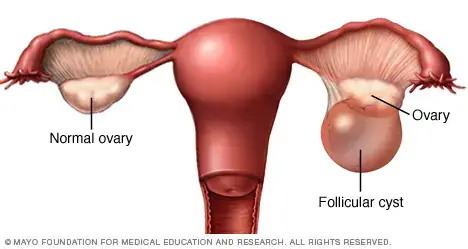
Image source: https://www.mayoclinic.org/diseases-conditions/ovarian-cysts/symptoms-causes/syc-20353405
Secondly, heavy bleeding as a result of irregular or absent cycles can cause painful periods. This is because the heavier flow causes the uterus to contract to expel the excess lining, increasing inflammation in the pelvic area and therefore causing painful periods.
Of course, PCOS is not ‘one-size-fits-all.’ Some women experience mild discomfort only, and don’t necessarily need more than a hot water bottle to treat period pain.
Weight Gain
Over time, women with PCOS may notice they’ve gained weight or have difficulty losing weight. This is generally due to hormonal imbalances, including high levels of androgen, that disrupt the body’s metabolism and cause weight to stick around the abdomen and upper body.
Weight gain may also occur as a result of insulin resistance. Insulin resistance is when the body has trouble processing glucose and stores more fat than usual, and is very common in women with PCOS. Noticing unusual changes in weight or body composition over time, particularly in the midsection, can be an indicator of having Polycystic Ovary Syndrome.
Excess Body Hair & Oily Skin
Excess hair growth and oily skin or acne are also symptoms of PCOS. Once again, this is caused by extreme hormone imbalance across the board.
More specifically, higher levels of androgen hormones can cause an increase in sebum production, which increases oil production in the skin and can lead to acne if not managed. Similarly, excess androgen hormones can cause hirsutism, a condition in which women develop excessive hair growth on the face, chest, and back.
Around their period, women with PCOS may notice singular long or thick hairs growing in strange places, or more inflamed facial acne than usual.
Seek Professional Support For PCOS
Symptoms of PCOS will vary greatly for every woman, and so will managing those symptoms over time.
If you are experiencing any of the signs described above or are worried about other symptoms, we recommend speaking to a female gynaecologist to receive a diagnosis and discuss how to feel comfortable while on your period. It could involve lifestyle changes, such as a more healthy diet, or medications and/or hormonal birth control.
If you have any questions or are ready to find a treatment path that suits you, book an appointment today. Nurture Gynaecology is an all-female practice with years of experience in gynaecology and women’s health.
- Published in Blogs
Endometriosis Diet: Foods to Eat and Avoid
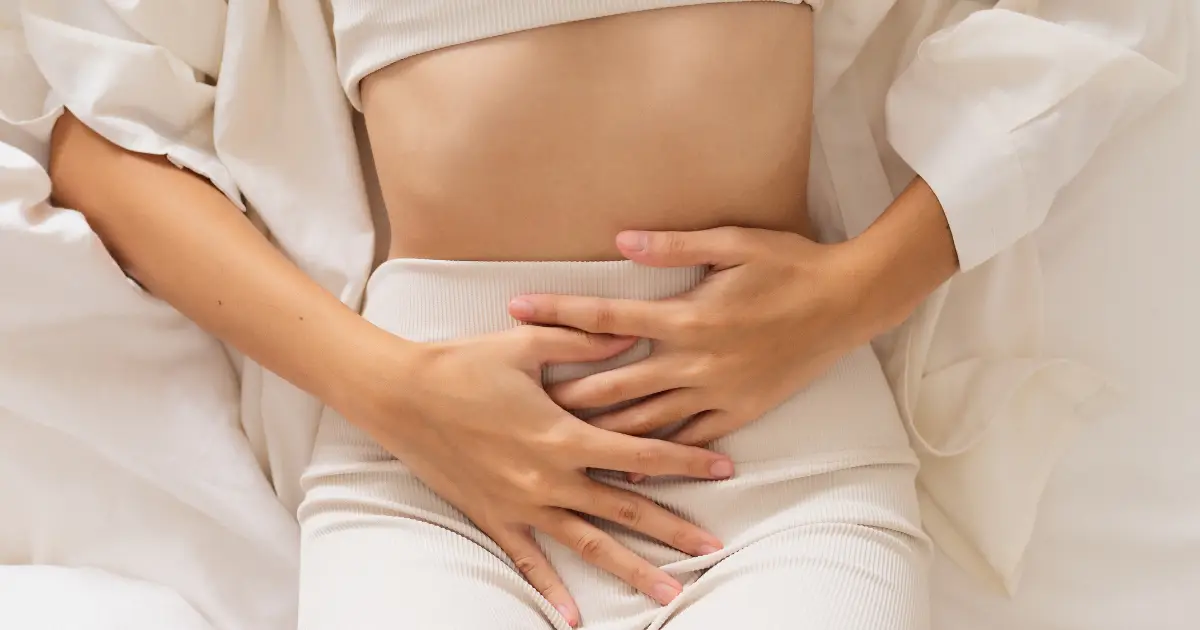 Endometriosis is a condition that affects millions of women worldwide and 830,000 (more than 11%) of Australian women. It occurs when the tissue that lines the uterus, called the endometrium, grows outside of the uterus in other parts of the body, such as the ovaries, fallopian tubes, or pelvic lining. This can cause a range of symptoms, from chronic pelvic pain and painful periods to painful intercourse and infertility. Endometriosis can also increase the risk of other conditions, such as irritable bowel syndrome and certain types of cancer.
Although there is no way to fully cure endometriosis, there are ways to manage the symptoms and improve quality of life. One of these ways is through diet. In this blog post, we’ll explore the link between endometriosis and diet and discuss which foods to eat and avoid to help manage the condition. From the benefits of a gluten-free diet to the dangers of trans fats and processed foods, we’ll cover all the nutritional aspects related to endometriosis. So, if you’re looking for ways to reduce your pelvic pain and improve your overall health, read on!
Why Food is an Aggravating Factor for Endometriosis Symptoms
It is believed that certain foods can aggravate endometriosis symptoms. These symptoms include endometriosis pain, painful periods, and painful intercourse.
Foods that are high in fatty acids and dietary fat consumption, such as red meat and fast foods, can increase the risk of developing endometriosis. Similarly, foods that contain partially hydrogenated oils, such as certain processed foods, can also aggravate endometriosis symptoms.
On the other hand, a low FODMAP diet can help reduce endometriosis symptoms by avoiding certain foods that are difficult to digest. This includes foods such as certain citrus fruits, high FODMAP foods, and whole grains.
Eating a healthy diet that includes dark leafy greens, fatty fish, and iron-rich foods can also help improve endometriosis symptoms by reducing inflammation and providing the body with essential nutrients. Ultimately, further research is needed to determine the exact relationship between diet and endometriosis, but making dietary changes can be a useful tool in reducing symptoms and improving overall health.
What to Eat: Foods to Include in Your Endometriosis Diet
If you’re living with endometriosis, you may be wondering what you can do to manage your symptoms and improve your overall health. One way to start is by making some simple changes to your diet. Eating a healthy, high-antioxidant diet can help fight inflammation, ease painful symptoms, and lower your risk of other health issues.
Here are some foods and healthy swaps you can consider adding to your diet:
- Gluten-free options like brown rice, quinoa, and gluten-free oats can be great sources of whole grains without triggering symptoms for those with celiac disease or gluten intolerance.
- Foods high in fatty acids, such as salmon, tuna, and other fatty fish, are rich in omega-3 fatty acids, which can help reduce inflammation.
- Dark leafy greens such as kale, spinach, and collard greens are rich in vitamins and minerals and can help reduce inflammation.
- High-antioxidant foods like blueberries, raspberries, and dark chocolate can help neutralize free radicals and protect against damage from oxidative stress.
- Foods rich in non-heme iron, such as beans, lentils, and leafy greens, can help replenish iron lost during menstruation and reduce the risk of anemia.
By incorporating these foods into your diet, you can help ease endometriosis pain and reduce your risk of other health issues. It’s important to work with your GP, Gynaecologist and registered dietitian to develop a diet plan that’s just right for you.
What to Avoid: What Foods Should I Avoid if I Have Endometriosis?
Certain foods can increase the risk of painful endometriosis-related symptoms and negatively affect overall health. Here are some specific foods to avoid if you have endometriosis:
- Red Meat – Red meat is high in heme iron which can promote inflammation and increase the risk of endometrial tissue growth.
- Trans Fats – Trans unsaturated fatty acids, commonly found in fast foods, fried foods and baked goods, can increase inflammation and contribute to painful menstrual cramps. Not only this
- Avoiding Gluten – Gluten can cause inflammation in the gut and worsen endometriosis pain in many women who are intolerant or have celiac disease.
- Alcohol – Increased consumption and regular alcohol intake can spur inflammation and negatively impact estrogen levels.
Instead, aim to eat fish and plenty of green vegetables to provide anti-inflammatory benefits and regulate your estrogen levels. By eliminating gluten, red meat and trans fats from your diet and incorporating alternatives, you can reduce the likelihood of tissue bleeds, uterine lining growths, and significant pain. A regular or systematic review with your health team may suggest that adopting a healthier or low FODMAP diet can also reduce those painful endometriosis-related symptoms.
Having a Healthy Relationship with Food and Dietary Supplements
If you have endometriosis, a healthy and non-restrictive diet can help alleviate symptoms and reduce the risk of endometriosis. In addition to avoiding trans and saturated fats, it’s essential to incorporate dietary supplements into your daily routine. Supplements such as omega-3 fatty acids, magnesium, and vitamin D have been shown to have anti-inflammatory properties, which can reduce endometriosis tenderness and pain.
Moreover, following a gluten-free diet or starting a low FODMAP diet has been shown to improve symptoms in many women with endometriosis. A specific diet that is rich in green vegetables, lean protein, and healthy fats can support the body’s natural processes, such as regulating hormone levels, reducing inflammation, and preventing uterine lining growths.
To sum it up, a healthy and balanced diet with dietary supplements can help manage endometriosis. For people with endometriosis, a non-restrictive approach to food can be life-changing. By avoiding trans fats, incorporating anti-inflammatory supplements, and adopting a specific diet, you can reduce symptoms and live a more balanced life. If you’d like to speak with us about any questions or concerns you have about endometriosis, book an appointment with our specialist Dr Brooke O’Brien to start a treatment path that suits you.
- Published in Blogs
The Power of Early Detection: Ovarian Cancer Awareness Month
February marks Ovarian Cancer Awareness Month, a timely reminder to spread awareness about the risks and signs of ovarian cancer, which is often the deadliest of gynaecological cancer.
At Nurture Gynaecology, we want to help add to the ongoing conversation and raise awareness among patients, friends and family about the importance of early detection, symptoms and support for ovarian cancer patients Australia-wide.
With ovarian cancer being the seventh most common cancer in women worldwide, with most cases occurring in women over the age of 50, early detection can significantly increase the chance of successful treatment. If you or a loved one would like to learn more about ovarian cancer symptoms, treatment options and more, please read this blog post and be sure to share it with those who you feel may benefit.
This blog post will touch on:
- What is ovarian cancer?
- What are ovarian cancer symptoms?
- What causes ovarian cancer?
- How is ovarian cancer diagnosed?
- Why detection in early stage is important
- Preventing ovarian cancer
- Ovarian Cancer Awareness Month
What Is Ovarian Cancer?
Ovarian cancer occurs when abnormal cells in the ovaries start to grow uncontrollably, forming tumours; this type of cancerous growth can occur in one or both ovaries. There are three different types of ovarian cancers, and the most common is epithelial ovarian cancer, which grows on the outside of the ovary and accounts for about 90% of cases. The germ cell type (around 4% of cases) is found growing from the cells which produce eggs; the rare stromal type grows from supporting tissues within the ovary.
According to The Cancer Council, in 2022 alone, over 1,300 individuals were diagnosed with ovarian cancer in Australia, and the typical age of diagnosis was 66 years. It is a disease that often goes undetected until it has spread to other parts of the body, making it more challenging to treat.
What Are The Symptoms Of Ovarian Cancer?
Ovarian cancer symptoms are often not noticeable during the early stages. As the cancer grows, women may experience symptoms such as bloating, pelvic or abdominal pain, difficulty eating or feeling full quickly, and changes in bladder or bowel habits. Although these are all ovarian cancer symptoms, they are in no way specific to ovarian cancer alone and may be caused by other conditions. Therefore, it is essential to see a doctor if you experience any persistent or unusual symptoms, such as unexplained weight loss or weight gain.
What Causes Ovarian Cancer?
The exact cause of ovarian cancer is unknown, but certain risk factors can increase a woman’s risk of developing it. These factors include age, family history of ovarian or breast cancer, the use of hormone replacement therapy, and certain genetic mutations. Women with a strong family history of ovarian or breast cancer may also have an increased risk of developing ovarian cancer.
Here is a list of some factors that can increase your risk of ovarian cancer:
- age (risk increases for women over 50)
- family history of ovarian, breast or bowel cancer
- changes in the genes BRCA1 or BRCA2
- being of Ashkenazi Jewish descent
- early onset of periods (before 12 years) and late menopause
- women who have not had children or had their first child after the age of 35
- using oestrogen-only hormone replacement therapy or fertility treatment.
How Is Ovarian Cancer Diagnosed?
Diagnosing ovarian cancer can be challenging, as there is no single test that can confirm the disease. If a woman experiences symptoms or is at high risk of developing ovarian cancer, her doctor may recommend a pelvic exam, blood tests, and imaging tests such as an ultrasound or CT scan. A biopsy may also be necessary to confirm the diagnosis.
The Power Of Early Detection
The key to the successful treatment of ovarian cancer is early detection. When ovarian cancer is caught early, the five-year survival rates are over 90%. However, when it is not detected until it has spread to other parts of the body, the five-year survival rate drops to less than 30%. Due to the aggressive nature of cancers, when they are in an advanced stage, treatments like chemotherapy and more intense treatment options are required, putting a huge strain on the patient’s ability to recover. That is why it is so important to be aware of the signs and symptoms of ovarian cancer and to seek medical attention if you experience any of them.
Preventing Ovarian Cancer
While there is no guaranteed way to prevent ovarian cancer, there are steps that women can take to reduce their risk, such as maintaining general health and a healthy weight, avoiding smoking, and using birth control pills. Women who have completed their families may also consider having their ovaries or fallopian tubes tied or removed, as this can significantly reduce the risk of developing ovarian cancer.
Ovarian Cancer Awareness Month
In Australia, Ovarian Cancer Awareness Month is in February. Throughout the month, organisations like The Cancer Council and ovarian cancer Australia across Australia hold events to educate the public and raise funds for ovarian cancer research. By increasing public knowledge and funding research, we can improve early detection rates and save lives.
How can you help?
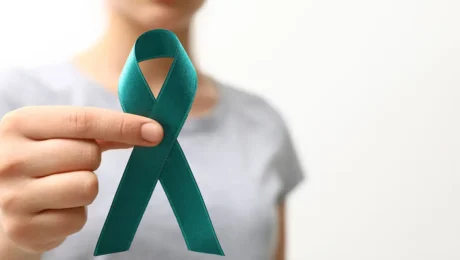
Ovarian cancer is a deadly disease that often goes undetected until it has spread to other parts of the body. However, when caught early, it is highly treatable. That is why it is essential to be aware of the signs and symptoms of ovarian cancer and to seek medical attention if you experience any of them. You can help raise awareness about ovarian cancer by sharing information with your family and friends, by wearing teal ribbons, and participating in local events. You can also donate to organisations that support ovarian cancer research and education. By raising awareness and supporting research, we can improve early detection rates and save lives.
If you’d like to learn more or have some personal questions about ovarian cancer treatment, possible symptoms and detection, please contact us for an appointment with our certified Gynaecologist Dr. Brooke O’Brien.
- Published in Blogs